Instagram
LA PASTA
Our pasta
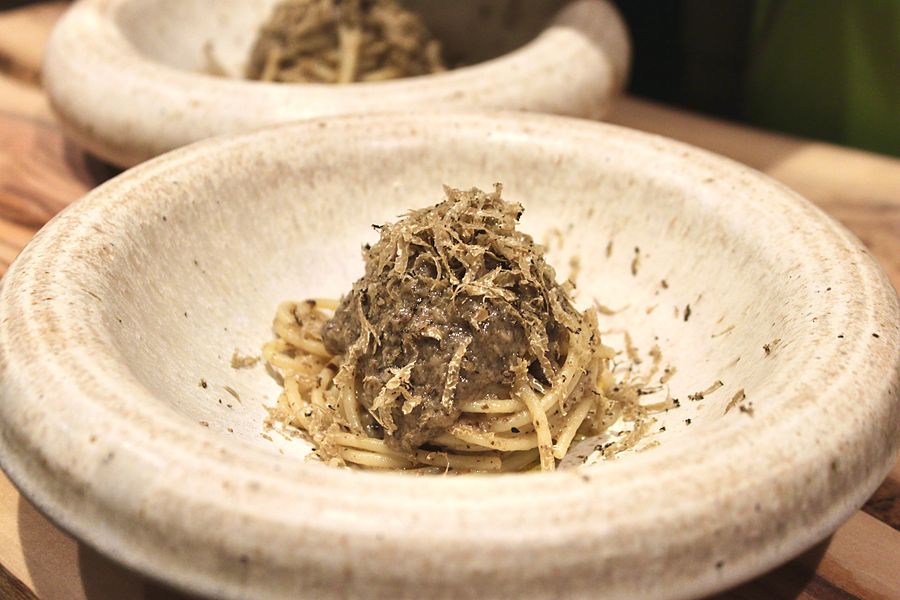
Pasta is the star of the dish.
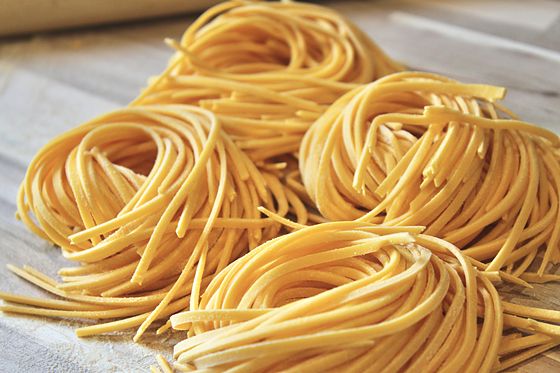
During our training at Ponterosa in the Marche, the chef there taught us many kinds of pasta, about once a week. The ones we made most often were vincisgrassi, cappelletti and tagliatelle.
Working in Italy, eating our way around the country and talking with fellow cooks, we learned firsthand that pasta is the star. We felt it every time we traveled through the regions eating pasta, and we decided to make it the star too.
Even now, pasta is the first thing we think about. We choose ingredients and sauces that make the pasta taste its best, and whether it is handmade or dried, we make the pasta the star of the dish.
PASTA FATTA A MANO
Handmade pasta
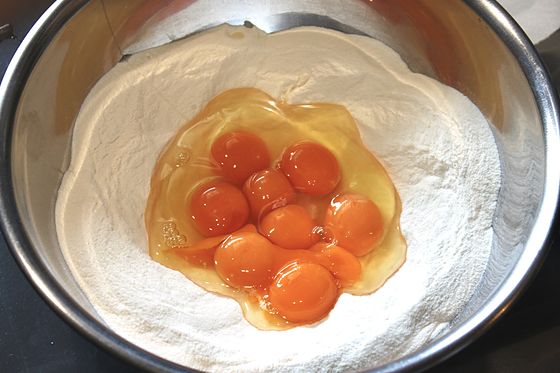
Italian flour and free-range eggs
Our flour is mainly Italian 00 flour (Tipo 00) and semolina (Semola). Their grind, protein content and ash (mineral) content are just right, which makes them easy to work with.
Our eggs are “Fuku ga, Kita”, from hens raised free-range in Fujinomiya City, Shizuoka Prefecture. They do not overpower the flavor of the pasta.
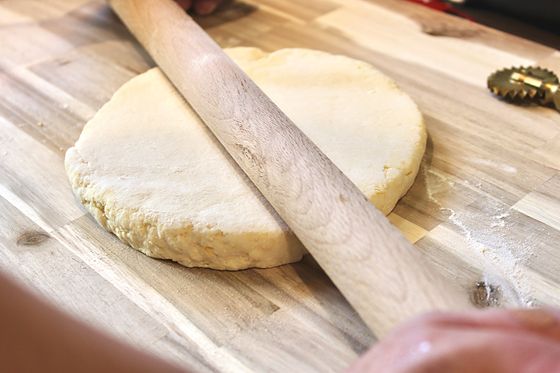
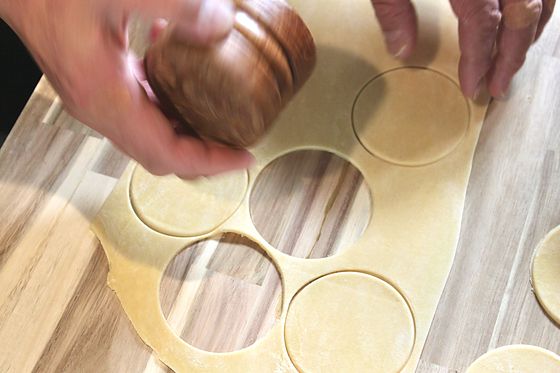
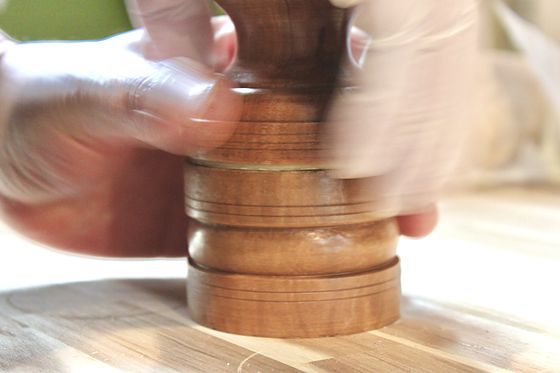
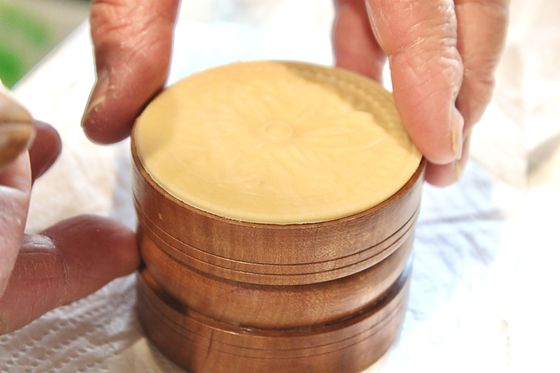
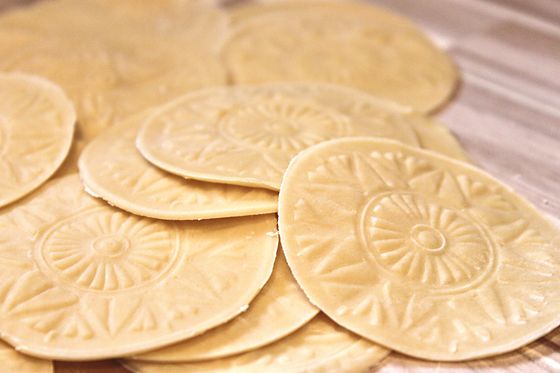
The wooden stamps we use for the patterns were each carved by hand by a craftsman. The craftsman has since passed away, and stamps like these can no longer be found. We intend to keep using them with the greatest care.
Changing the dough and shape
to match the ingredients and sauce
Our dough combines what we learned in Italy with what we were taught in Japan. Flour, eggs, water, wine, olive oil, salt: which of these we use, and how much, depends on the type of pasta and the ingredients and sauce it is paired with. We knead the dough by hand, so we check it by feel. If it is too firm, we add water; if it needs more time, we let it rest a little longer. We adjust it each time, based on experience.
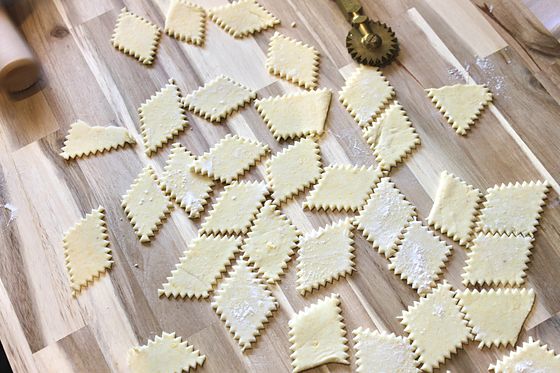
Texture is not the only thing we change to suit the ingredients and sauce. We also change the shape, thinking about how well the sauce clings and how heavy the sauce is. Even so, the basic rule is to stay true to each region’s cooking: orecchiette with cime di rapa sauce or a sauce of braised lamb, testaroli with pesto alla genovese, busiate with Trapani-style pesto. Sometimes we deliberately break those rules.
Shapes only handmade pasta can take
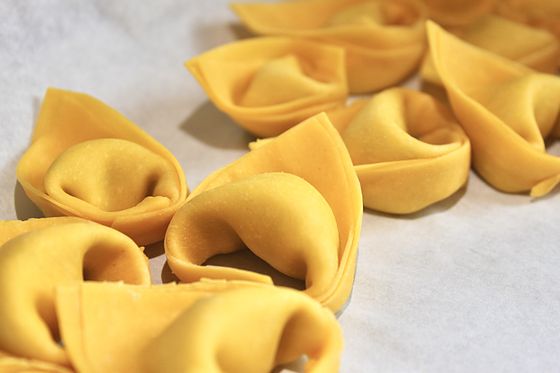
Some shapes can only be made by hand: filled pasta, the Marche’s “cresc’tajat” with cornmeal worked into the dough, and “testaroli”, which are baked before being boiled.
What we love about handmade pasta is the flavor that only handmade pasta can give, how well it goes with the sauce, and the way the dough itself can make a statement. The amount of egg changes its firmness, texture and flavor, and working a paste into the dough gives it color and flavor.
PASTA SECCA
Dried pasta
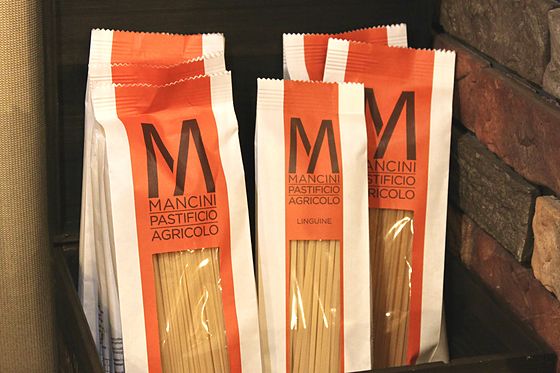
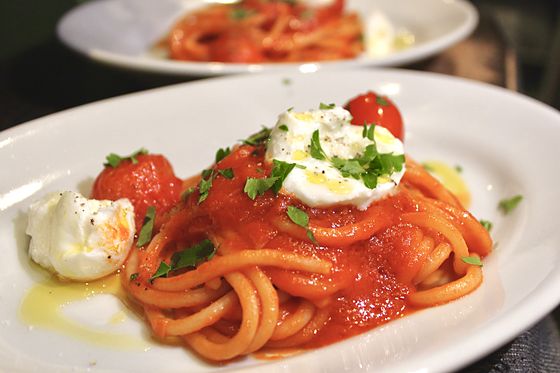
Our dried pasta is made in Italy. The reason is simple: it tastes good. We mainly use dried pasta from the Marche that the restaurant where we trained always kept in stock and used on its menu. We also use several other Italian pastas, choosing among them to suit each dish.
The strengths of dried pasta are its firm bite and how easily it cooks al dente. Whether we use handmade or dried pasta is basically decided by how well it goes with the sauce.
NEI NOSTRI MENÙ
Pasta in our courses
Every lunch and dinner course includes either handmade or dried pasta. At dinner, you can also add pasta to finish your meal (30 g, 50 g or 80 g; ¥580 for any size).
It makes us truly happy when guests are surprised by the shape of the pasta, or discover a flavor that is new to them.