 Instagram
IL NOSTRO PENSIERO
Philosophy
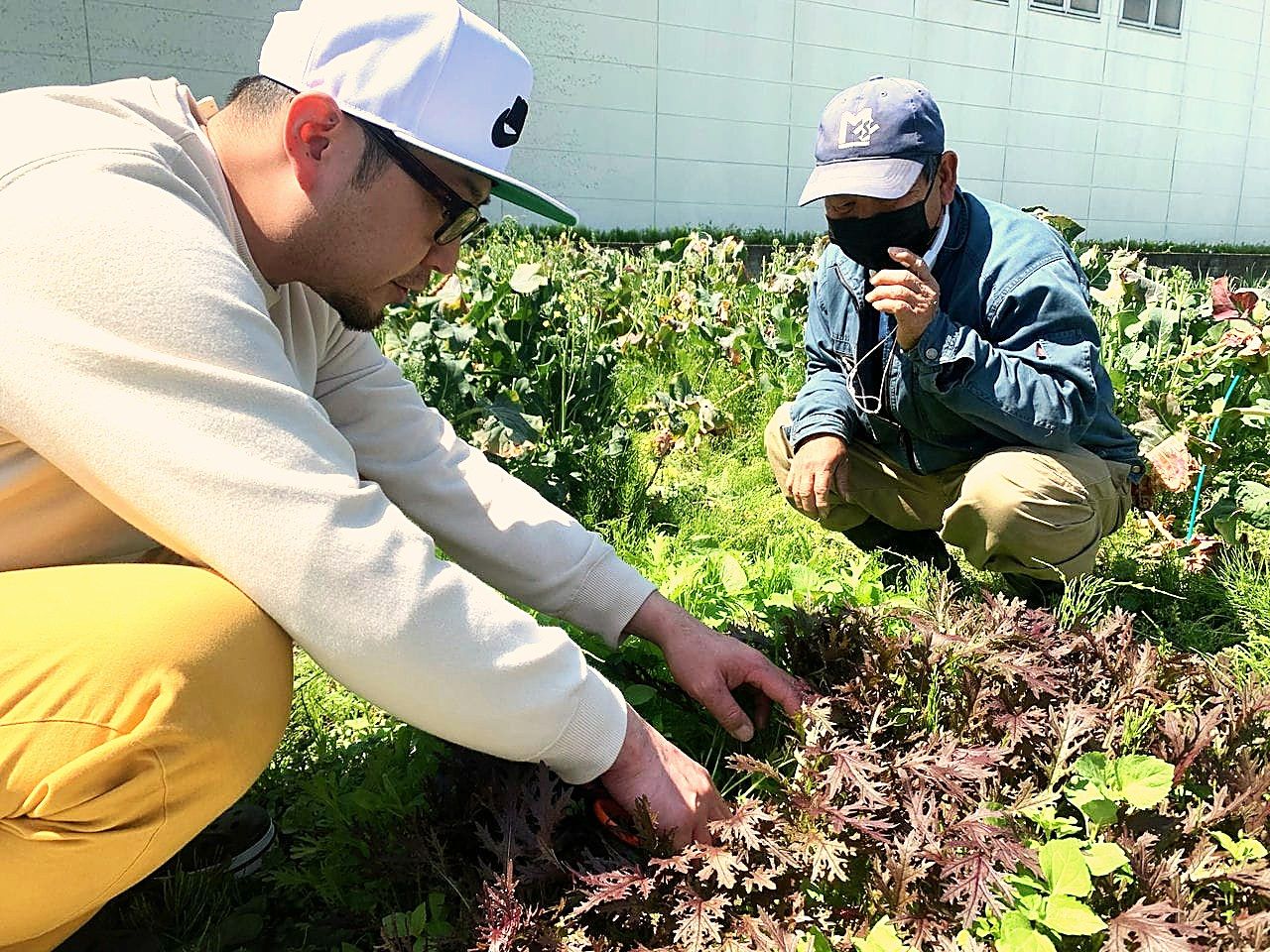
It was my grandmother’s home cooking that first drew me to cooking.
And what I was taught far away in Italy was home cooking, too.
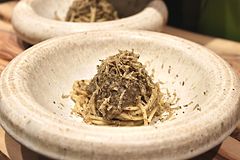
MARCHE
3 years in the Marche, Italy
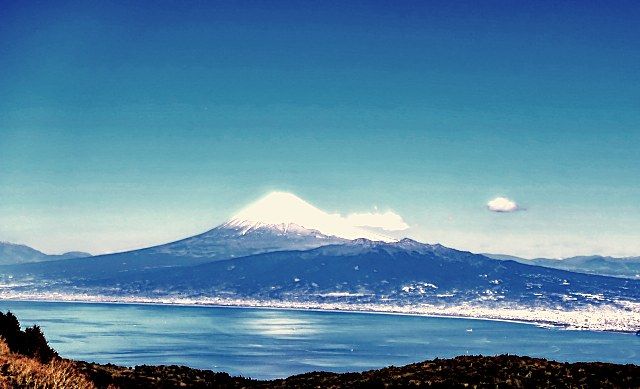
The Marche, on the Adriatic Sea, is not a tourist region.
The sea gives fish and shellfish, and inland, among the mountains, rabbits and sheep are raised and wheat is grown. Trout are farmed in the rivers.
After I came back to Shizuoka and worked here for a while, I realized how much this land resembles the Marche.
There is Suruga Bay, there is Mt. Fuji, and trout are farmed in the rivers at its foot.
Where the land is alike, what grows there is alike.
That, I came to think, is where a food culture is born.
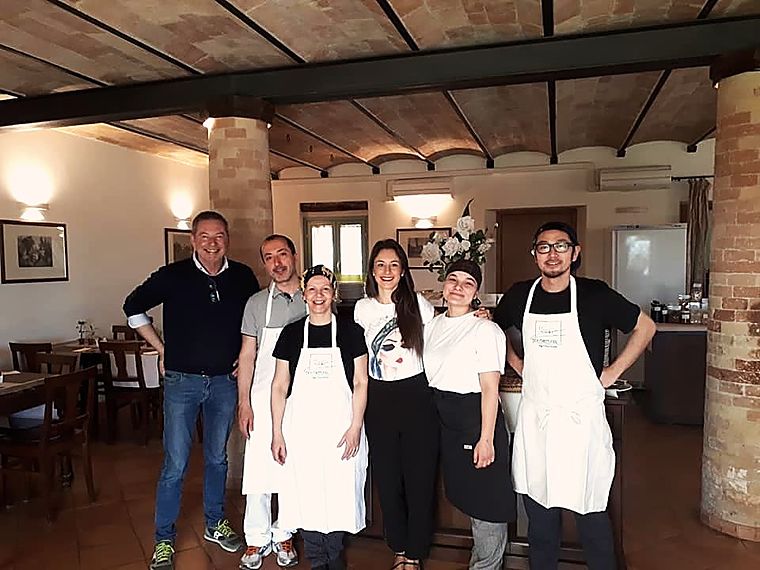
Two homelands
We make brodetto, a traditional fish stew from the Marche coast, with seafood from Suruga Bay.
“Grilled Shizuoka Sodachi beef with black truffle from the Marche” pairs a Shizuoka brand of wagyu with a winter ingredient from the Marche.
We stay true to the basics. Building on them, we look for flavors that could only be born here.
PRODUTTORI
Each ingredient, from its producer
Which ingredients do we buy, and from whom? Let us introduce the people behind our dishes.
Mehikari (greeneye) from Suruga BayRaw shirasu (whitebait) from MochimuneAmagi black porkAmagi shamo chickenKobe beefFree-range eggs
Mehikari (greeneye) from Suruga Bay / Ebisen, Hamamatsu
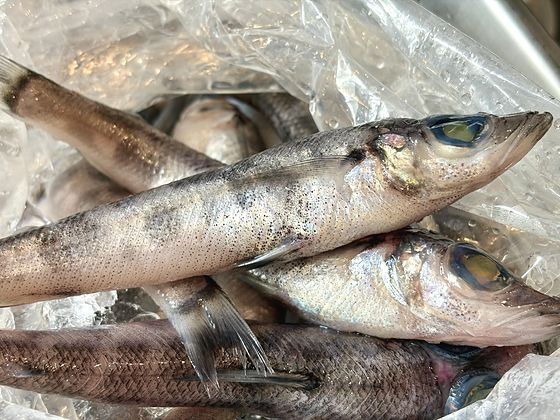
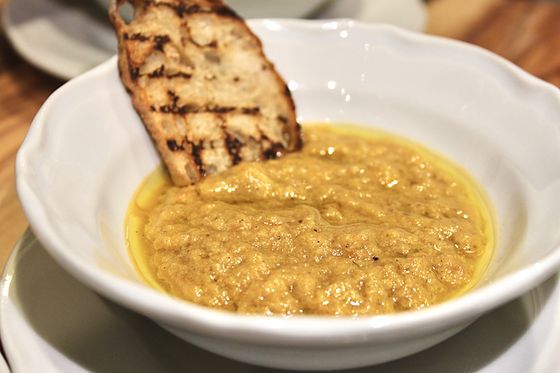
Ebisen in Hamamatsu deals in seafood from Lake Hamana and Suruga Bay. We heard about them through another chef, and chose them because they carry a wide range of seafood unique to Shizuoka.
When we visited, they were keeping the fish alive in tanks for freshness.
Here, we made mehikari landed in Suruga Bay into ciuppin, a Ligurian-style soup.
Mehikari is seasonal, so it does not come in often, but in some seasons we serve it as an antipasto in the Casual Course and the Special Course.
Raw shirasu (whitebait) from Mochimune / Marukai, Mochimune, Shizuoka City
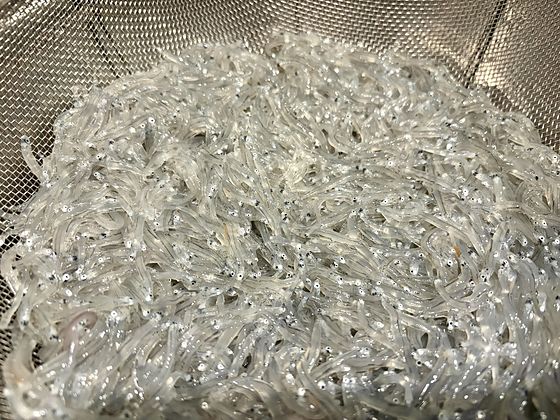
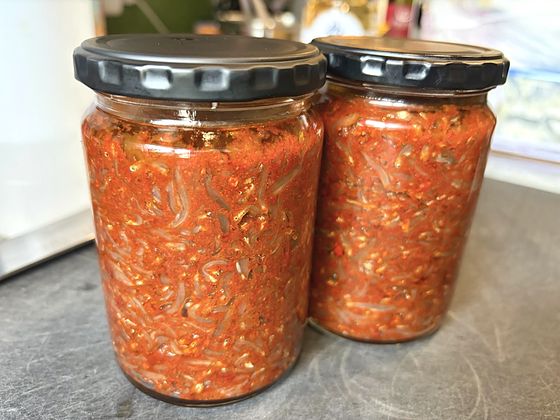
Marukai is a shop I often went to more than 15 years ago, when I worked in Mochimune. I still remembered how good their shirasu was, so I chose them as our supplier.
It is a homey, warm shop, staffed by local people and with many local customers.
We turn the raw shirasu into rosamarina, a traditional dish from the Calabria region. Preserved in chili pepper, it is a little like ika no shiokara (Japanese salted squid). Spread on bread, it becomes crostini; made into a spicy tomato sauce, it goes with pasta. We plan to serve it in antipasti and pasta in the Casual Course and the Special Course.
Amagi black pork / Kaneko Livestock, Izunokuni City
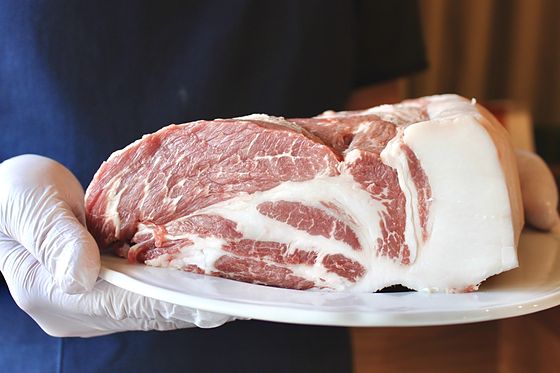
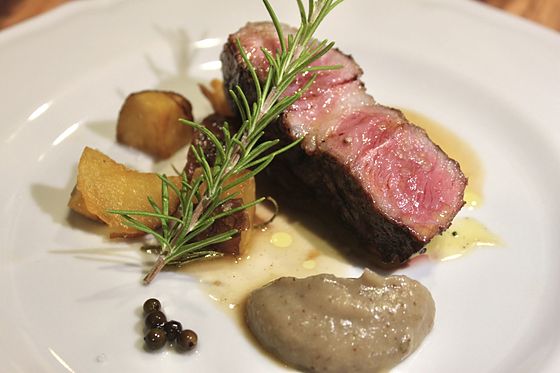
Amagi black pigs are raised only by Wataru Kaneko of Kaneko Livestock in Izunokuni City. We were introduced to them by a chef at a restaurant we know.
Quite simply, the meat tastes superb, and the flavor of the fat is in a class of its own.
Kaneko-san is a wonderful person with a true craftsman’s spirit.
We often serve it as “Grilled Amagi black pork” in the Special Course at dinner.
Amagi shamo chicken / Horie Poultry Farm, Yakuma, Izu City
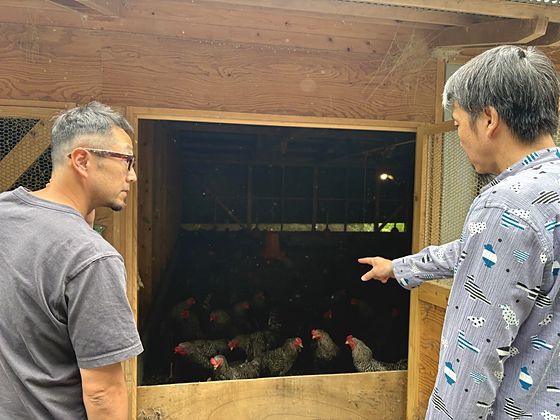
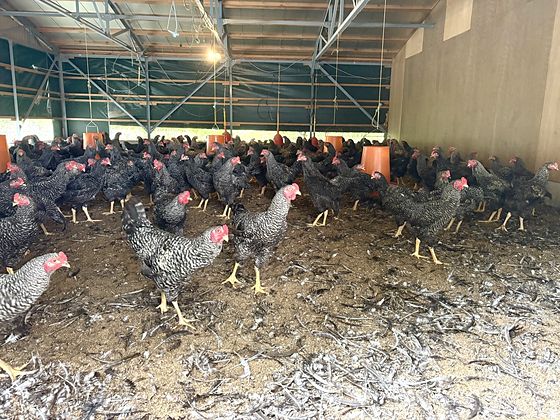
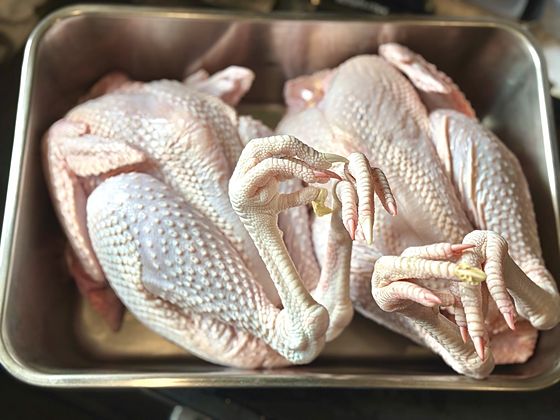
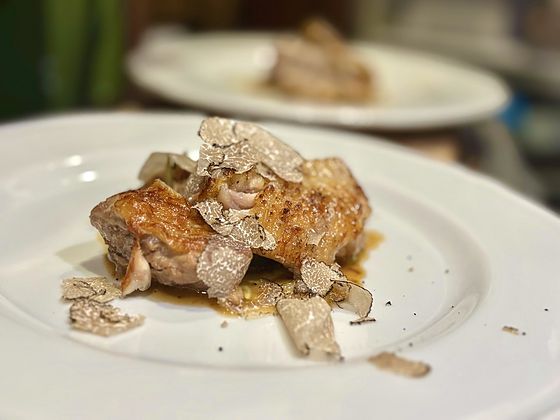
We had known of Amagi shamo chicken for a long time. It all began when Horie-san of Horie Poultry Farm came to eat at our restaurant. Hearing about Horie-san’s passion for shamo and for food made us want to use these chickens, so we asked them directly to supply us.
When we visited, we were shown the birds at each stage as they grow from chicks, and the differences between males and females. The chicks start out timid, and their bodies grow sturdier as they get bigger.
We were told that, even for floor-raised chickens, they keep far fewer birds in the same space than an ordinary broiler farm. The birds had plenty of room between them and moved about as they pleased: running, flying and sitting.
The feed includes the leaves and stems of wasabi, a specialty of Izu, soy milk from a neighborhood tofu shop, and feed rice from a local rice farmer. The farm also uses the chicken manure to grow vegetables, which fits the idea of a “cycle” that we value.
We plan to use it in every dinner course, from antipasti to mains, down to brodo (broth) made from the bones. Dishes will include “Marche-style potacchio”, “involtini”, “simply grilled breast” and “risotto with brodo”.
Kobe beef (Tajima cattle) / Kawanishi Farm, Hyogo Prefecture
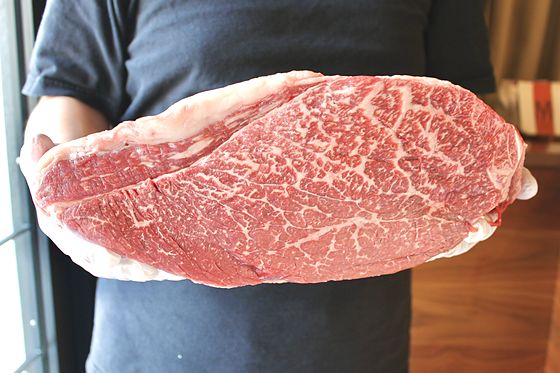
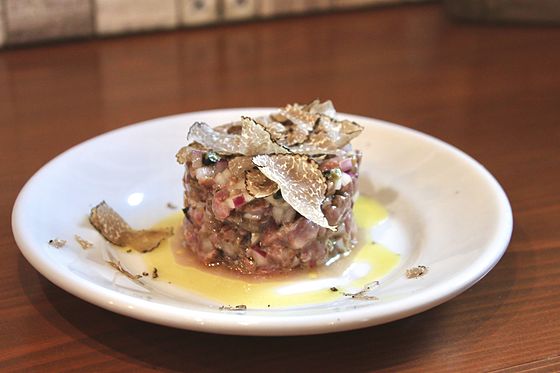
It is said that if you trace the bloodlines of both Matsusaka beef and Omi beef, they lead back to the Tajima area of Hyogo Prefecture. Tajima cattle are purebred Japanese Black wagyu that have never been crossbred with other breeds. Of these, only cattle that meet the standards of the Kobe Beef Marketing and Distribution Promotion Association are recognized as “Kobe beef”. Our beef carries this certification.
Our supplier is Kawanishi Farm in Hyogo Prefecture. They blend 7–8 kinds of organic feed to suit each animal’s condition, and use no hormones. The beef is known for its light, high-quality fat, the rich flavor of its lean meat and its distinctive wagyu aroma.
We plan to serve it as “Kobe beef tartare”, an antipasto in our dinner courses, and as the main of the Kobe Beef Course (lunch only).
“Fuku ga, Kita” free-range eggs from the foot of Mt. Fuji / Marufuku, Yaizu City
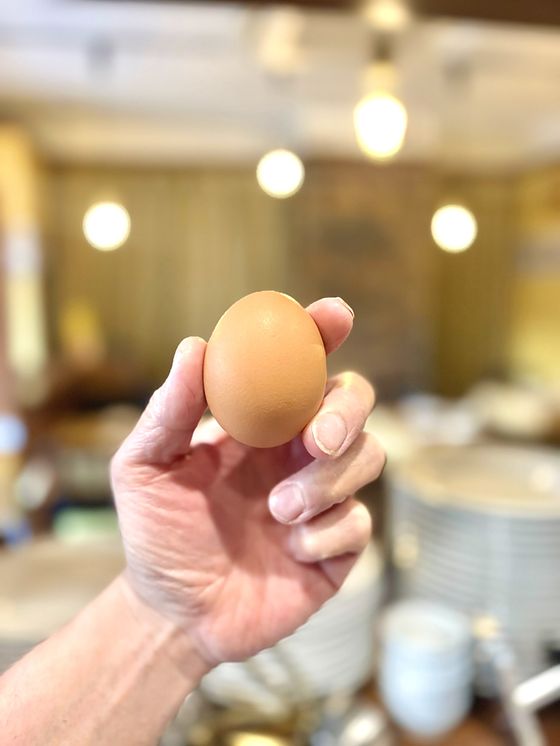
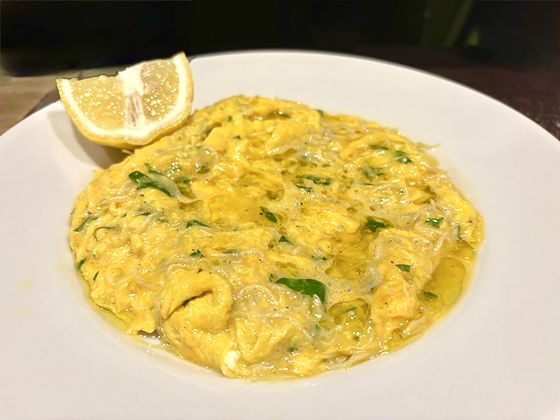
These eggs come from Marufuku of Yaizu City, which raises its hens at Asagiri Hozan Farm, its own farm in Fujinomiya City at the foot of Mt. Fuji. A friend who runs a sweets shop told us about them, and when we heard that Shizuoka had free-range eggs, which are rare in Japan, we got in touch. Talking with the person in charge, we could feel how much they love their hens and eggs.
Marufuku has adopted the “aviary” system, the mainstream method in Europe. In the morning, the hens lay their eggs in their own nest boxes; once it is light, they go outside to dust-bathe, and when the sun sets, they return to the henhouse to sleep. The hens are raised naturally, in keeping with their instincts.
We plan to serve them all year round in every course, at both lunch and dinner: in a “Fuku ga, Kita” frittata, or in a carbonara with “Fuku ga, Kita” eggs and truffle.
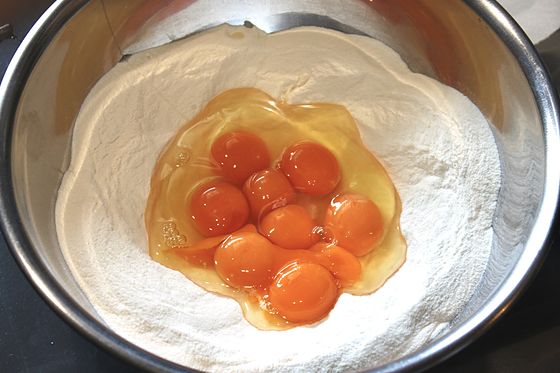
Every egg we use, from our pasta dough to our baked sweets, is one of these.
L’ORTO
We grow our own
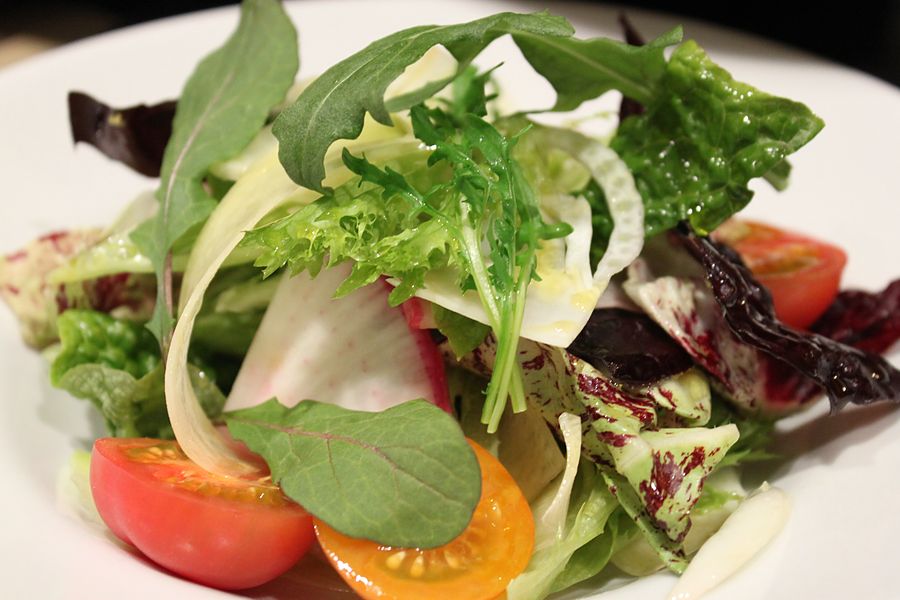
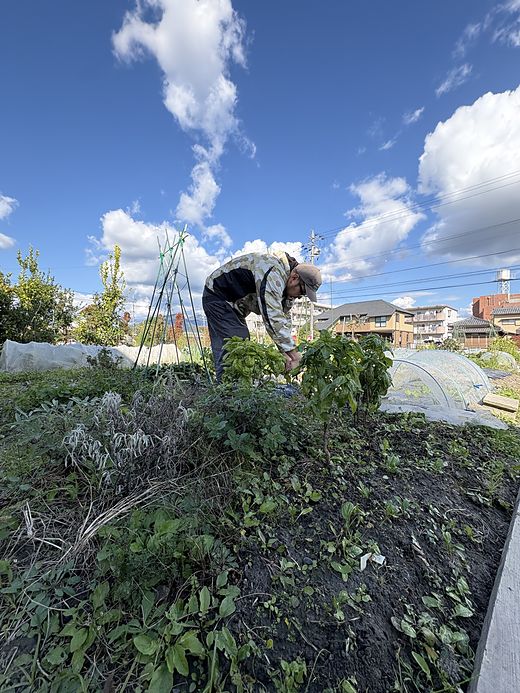
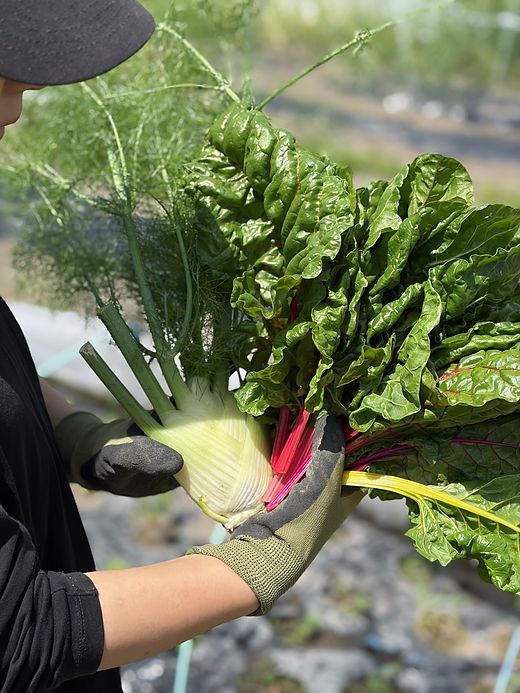
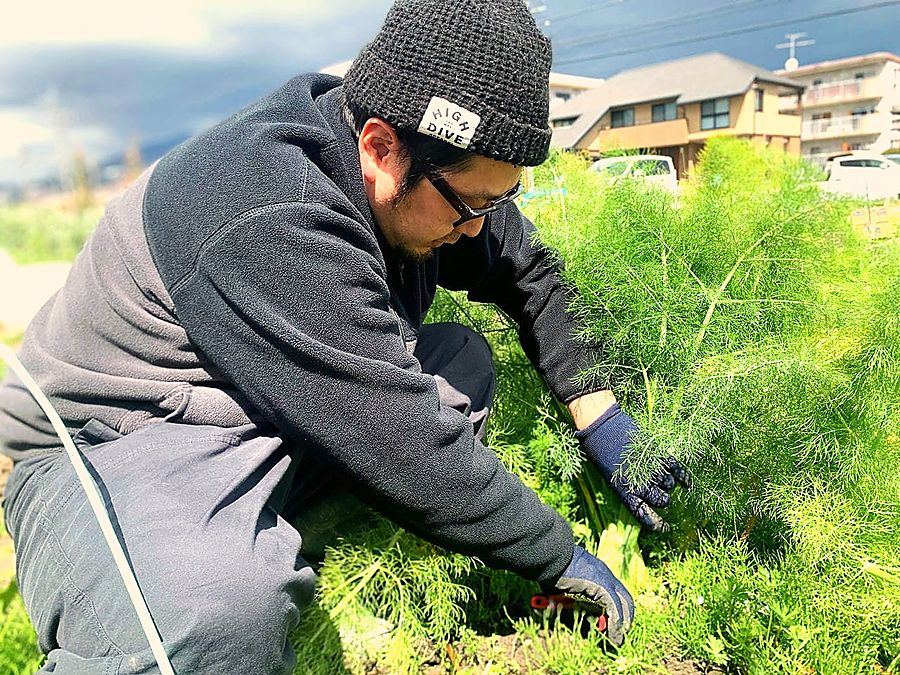
To serve authentic Italian vegetables in Japan, we chose to grow them ourselves rather than import them.
Vegetables shipped from far away inevitably lose their freshness.
In fact, the imported vegetables were far from the quality we had hoped for.
When we pointed this out, the reply we got was: “It’s the same for every restaurant. We supply the same produce to high-end restaurants, too.”
We use no pesticides and no chemical fertilizers. We grow our vegetables from heirloom seeds that have not been through selective breeding.
Here in Japan, we achieve quality and flavor equal to, or better than, vegetables grown in Italy itself.
You can also enjoy slightly unusual seasonal vegetables in our Italian dishes.
ARTIGIANO
Behind every plate, an artisan
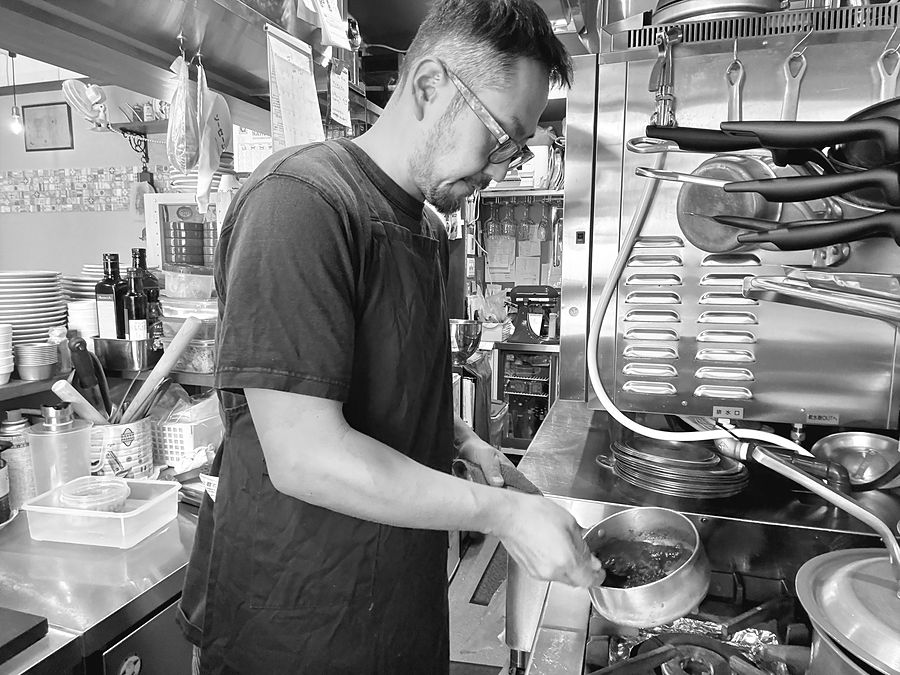
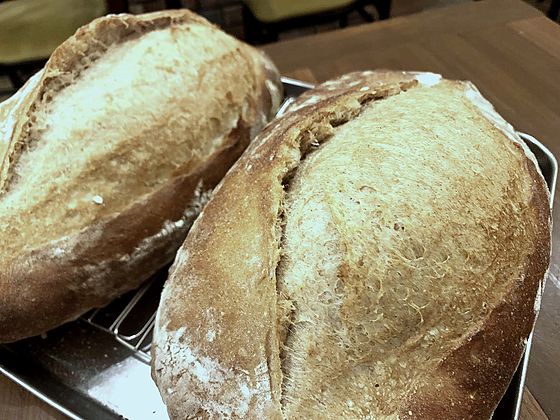
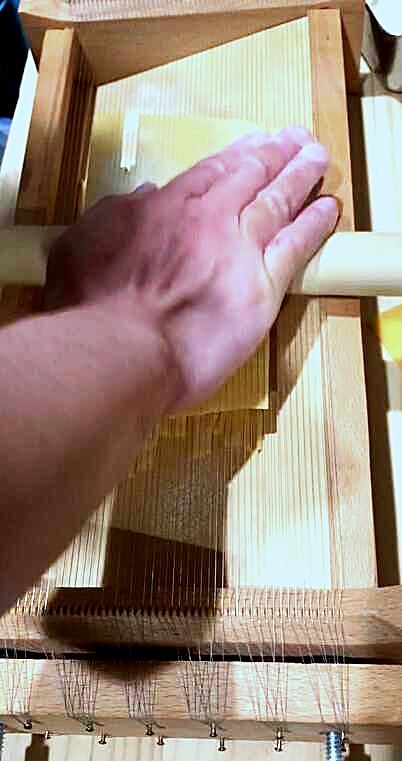
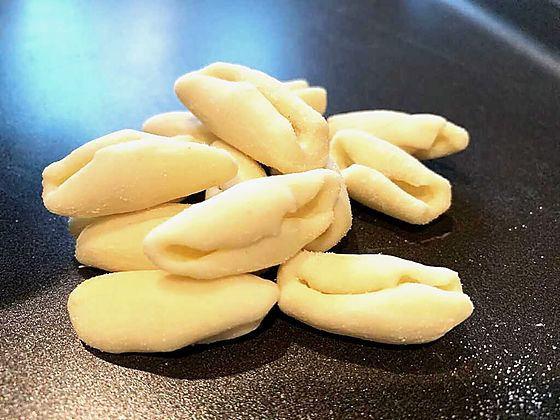
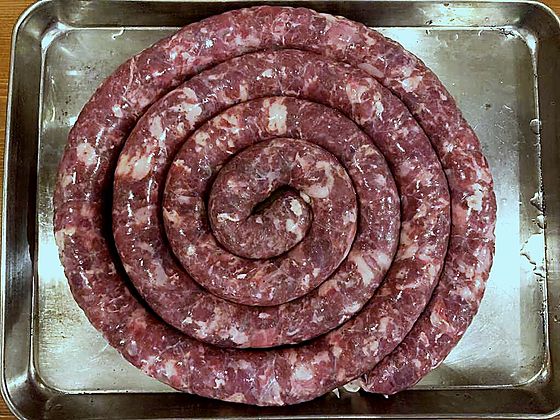
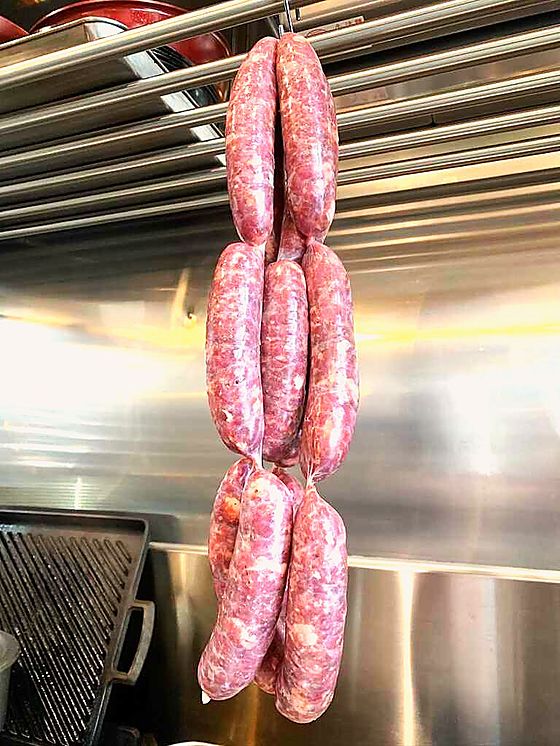
Our bread, our pasta, our salsiccia (Italian sausage): we make them all in-house.
What we select
- Prosciutto
- “Karakkaze”, a long-aged prosciutto by Nakajima-san of RITORNO in Gunma. Made from Kuchidoke Kato Pork, with no additives and only natural sea salt
- Duck
- Kasumi duck from Nishizaki Farm in Ibaraki. Raised completely free-range, without vaccines or antibiotics. Processed after we order, so it reaches us fresh
- Coffee
- The coffee the chef liked best of all those tasted while training in Italy, made with an Italian espresso machine
INCONTRO
Ichigo ichie: each meeting, once in a lifetime
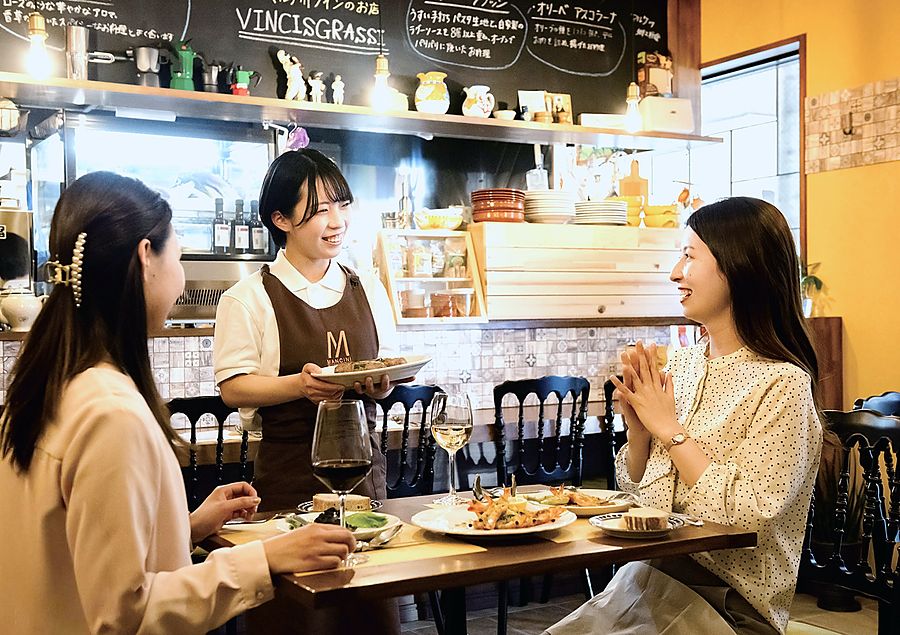
We don’t want our work to end with simply serving the food.
Please feel free to ask us about the story behind a dish, how best to enjoy it, or any ingredient or wine you are curious about.
We plan the timing of each meal 1 party at a time, so that you can dine at a relaxed pace.
We do not advertise on major restaurant guide sites.
Instead, we put that money into our ingredients and service.
We have only 14 seats. That is exactly why we remember each guest who visits us.